

- B2B MARKETING
- 21 October 2026
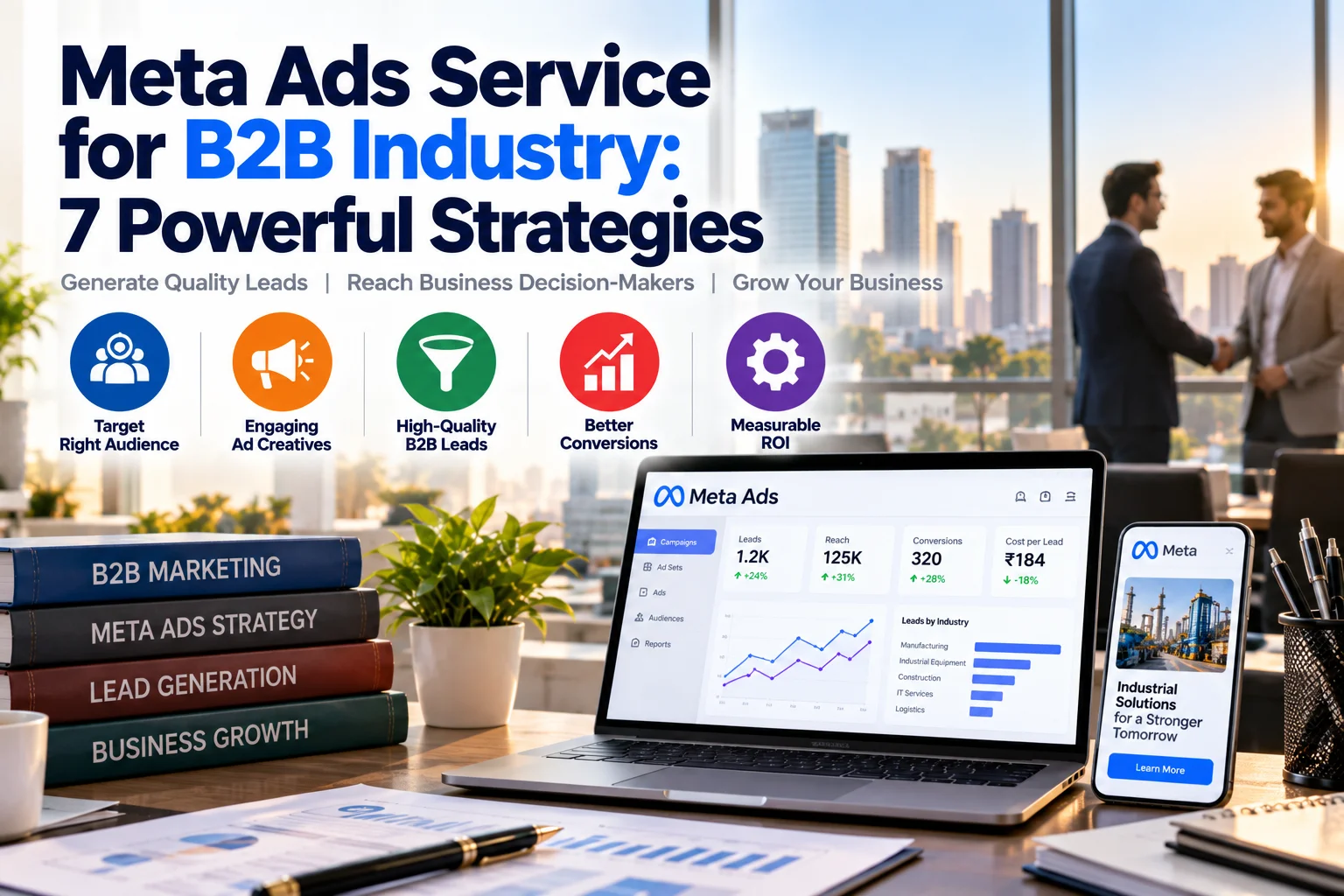
Meta Ads Service for B2B Industry: 7 Powerful Strategies
Reaching the right business decision-makers is one of the biggest challenges for companies operating in the B2B sector. Whether you manufacture industrial products, supply machinery, provide professional services, or sell business software, attracting qualified enquiries requires a focused marketing strategy. A Meta Ads service for B2B Industry can help businesses reach relevant audiences through Facebook and Instagram, generate enquiries, build brand awareness, and nurture potential customers throughout the buying journey.
B2B purchasing decisions often involve multiple stakeholders, detailed product evaluations, and longer sales cycles. As a result, advertising success depends on more than generating clicks or collecting contact details. Businesses need relevant messaging, well-designed landing pages, suitable audience targeting, and a reliable process for converting enquiries into sales opportunities.
Brandbanalo helps businesses explore performance marketing strategies designed around measurable business objectives. When considering Meta advertising, companies should understand how campaign objectives, creative formats, lead qualification, and conversion tracking work together. This guide explains how a Meta Ads service for B2B Industry can support business growth and how to build campaigns that focus on meaningful results rather than vanity metrics.
Table of Contents: Understanding Meta Ads for B2B Marketing | Why Use a Meta Ads Service for B2B Industry? | Building an Effective B2B Meta Ads Strategy | Best Meta Ad Formats for B2B Companies | Measuring B2B Advertising Performance | Common Meta Ads Mistakes to Avoid | How Brandbanalo Supports B2B Performance Marketing | Frequently Asked Questions | Conclusion
Understanding Meta Ads for B2B Marketing
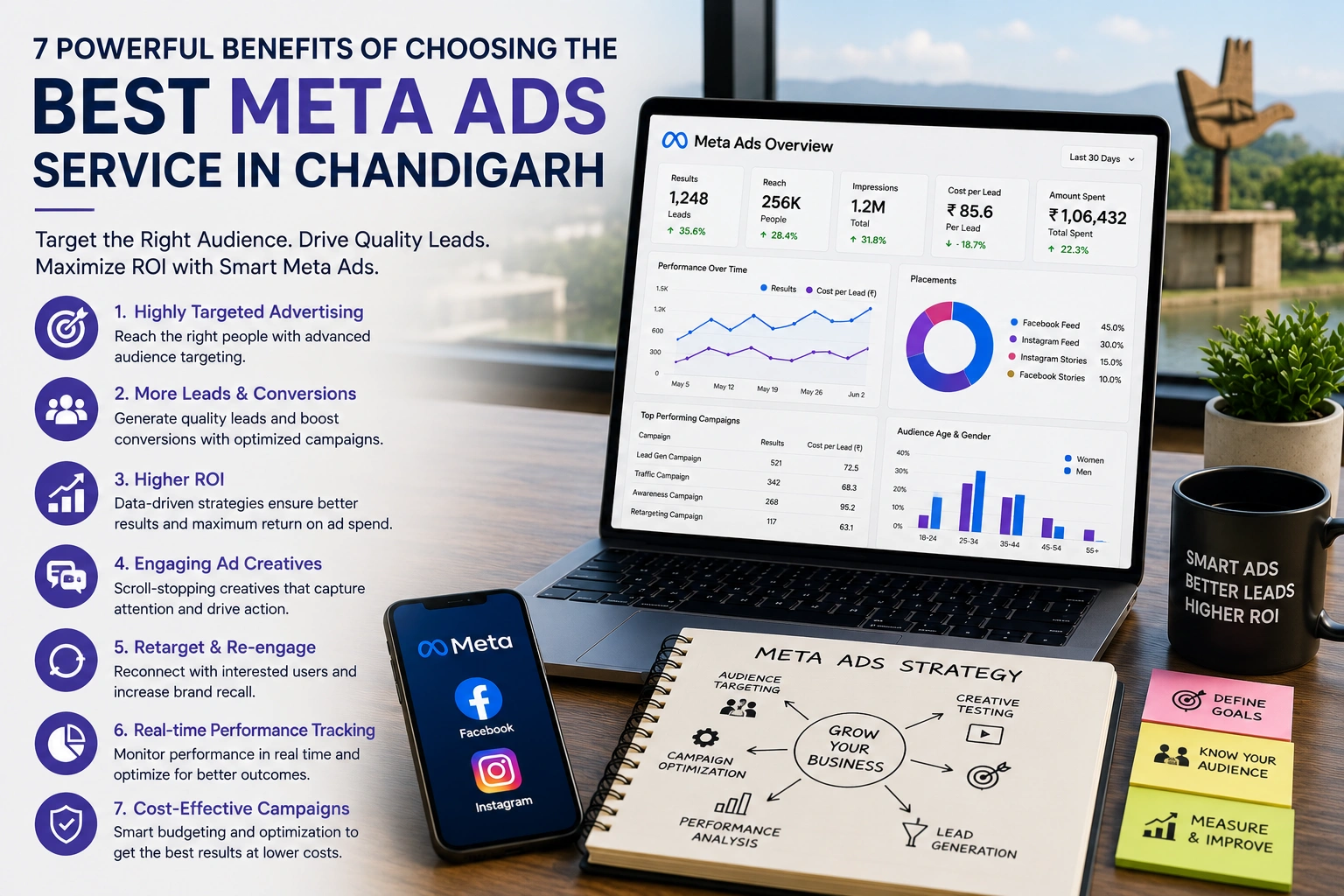
Meta advertising allows businesses to promote their products and services across platforms such as Facebook and Instagram. Advertisers can create campaigns using different objectives, audience settings, creative formats, and conversion destinations, depending on their business goals and the options available in their advertising account.
Although many people associate Meta Ads with consumer brands, B2B companies can also use these platforms to reach relevant audiences. For example, an industrial equipment supplier could promote a product demonstration, while a software company could advertise a webinar or offer a downloadable business guide.
The key is to match the campaign with the audience's interests and stage in the buying process. A person who has never heard of your company may respond better to educational content than a direct sales message. Meanwhile, someone who has already visited your website may be more receptive to a case study, consultation offer, or product enquiry campaign.
A professional Meta Ads service for B2B Industry should therefore focus on audience relevance, useful content, conversion quality, and ongoing campaign improvement.
Why Use a Meta Ads Service for B2B Industry?
Reach Relevant Business Audiences
Meta platforms provide advertising tools that help businesses define audiences using available demographic, interest, location, and other targeting options. The exact options depend on the campaign, account, region, and current platform policies.
For B2B advertisers, audience strategy should begin with a clear ideal customer profile. This may include the industries served, geographical markets, company needs, and types of professionals likely to influence purchasing decisions.
For example, a manufacturer selling warehouse equipment may focus its messaging on businesses that need storage and material-handling solutions. However, advertising platform targeting cannot always identify job titles, purchasing authority, or company size with complete precision. Campaigns should use relevant messaging and lead qualification to improve audience fit.
Generate Business Enquiries
Meta Ads can direct potential customers to a website, a landing page, a messaging destination, or a supported lead form. The best option depends on how your sales team handles enquiries and how much information is needed before contacting a prospect.
A B2B company offering industrial automation solutions might use a lead form that asks about the required application, location, and project timeline. These questions can help the sales team prioritise relevant enquiries while keeping the form manageable.
However, more form submissions do not automatically mean better results. Businesses should review whether leads match their target market, respond to follow-ups, and progress towards genuine sales opportunities.
Build Brand Awareness Before the Purchase
B2B customers may research several suppliers before requesting a quotation. During this process, advertising can introduce your company, explain your capabilities, and help potential buyers become familiar with your brand.
A campaign might promote an educational video, product demonstration, or explanation of a common industry challenge. Later campaigns can present more detailed information to people who have engaged with the content, where the relevant retargeting options are available and permitted.
This approach helps businesses maintain visibility while giving prospects useful reasons to consider their products or services.
Building an Effective B2B Meta Ads Strategy
Define Your Ideal Customer Profile
Before launching a Meta Ads service for B2B Industry campaign, define the businesses you want to attract. Consider their industry, location, operational challenges, purchasing needs, and likely objections.
Your messaging should address a specific business problem. For instance, an industrial component supplier could explain how customers can identify the correct component specifications, request product details, or discuss supply requirements with its team.
Clear positioning helps potential customers understand whether your company is relevant to their needs. It also gives your advertising team a practical basis for developing audiences, creative concepts, and landing pages.
Create Ads Around Business Needs
B2B advertising works best when it communicates a useful reason to take action. Instead of relying on broad statements such as "best quality" or "leading solutions," explain what the business offers, whom it serves, and what the prospect can do next.
A machinery manufacturer might promote a product demonstration or consultation. A B2B software provider could offer a guided demo, while a wholesale supplier might encourage prospective buyers to request a catalogue or quotation.
The offer should match the buying stage. Educational resources may attract early-stage prospects, while consultations and quotations can suit people who already understand their requirements.
Optimise Landing Pages and Lead Forms
An advertisement can attract attention, but the destination must make the next step straightforward. A landing page should explain the offer, provide relevant product or service information, establish credibility, and include a clear call to action.
Keep forms focused on the details your sales team genuinely needs. Asking for excessive information may discourage potential customers from completing the form. On the other hand, a form that collects no qualifying information may generate many irrelevant enquiries.
After submission, show a clear confirmation message and explain what happens next. A prompt, professional follow-up process can help your team assess the prospect's needs while the enquiry is still relevant.
Test and Improve Campaigns
Advertising performance can vary across audiences, messages, formats, and offers. Testing allows businesses to compare these elements rather than relying on assumptions.
For example, you could test a product-focused creative against an educational message, or compare a lead form with a dedicated landing page. Change a limited number of variables at a time so that the results are easier to interpret.
Use actual business outcomes to guide decisions. An advertisement that generates fewer leads may still be more valuable if those leads have stronger purchase intent and convert into qualified opportunities.
Best Meta Ad Formats for B2B Companies
Lead Generation Ads
Lead generation campaigns can help businesses collect prospect information through supported instant forms or other conversion destinations. They can be useful for quotation requests, consultations, product enquiries, and event registrations.
For a B2B supplier, a well-designed form might ask for the prospect's company name, business email, area of interest, and a brief description of the requirement. Collect only information that is necessary and handle it according to applicable privacy requirements.
Video and Demonstration Ads
Video ads can explain complex products more clearly than a short headline alone. Manufacturers may show equipment in operation, while service providers can demonstrate a process or explain how a solution addresses a business challenge.
Keep videos focused on one central message. Use clear captions where appropriate, show the product or service early, and include a next step that matches the campaign objective.
Retargeting Campaigns
Where available and permitted, retargeting can help reconnect with people who have previously engaged with your website, videos, or other marketing content. These audiences may already recognise your business, making a more detailed offer appropriate.
For example, a company could show product specifications or a consultation offer to eligible visitors who previously viewed a relevant service page. Ensure your tracking setup, consent practices, audience creation, and ad content comply with applicable privacy rules and Meta's policies.
Measuring B2B Advertising Performance
A reliable Meta Ads service for B2B Industry should evaluate campaign performance using both advertising data and sales information.
Metrics such as impressions, click-through rate, cost per click, and cost per lead help explain how people interact with campaigns. However, these metrics do not show the complete commercial picture.
Businesses should also measure qualified lead rate, cost per qualified lead, consultation bookings, quotation requests, sales opportunities, and revenue where attribution data is available. Integrating advertising data with a CRM can help connect enquiries to later sales outcomes.
For example, Campaign A may generate 100 leads at a lower cost, while Campaign B generates 40 leads at a higher cost. If Campaign B produces significantly more qualified opportunities, it could deliver better commercial value despite its higher initial lead cost.
Use consistent tracking, clear lead definitions, and regular reporting. Keep in mind that attribution systems may not capture every customer interaction, so advertising reports should be interpreted alongside CRM records and feedback from the sales team.
Common Meta Ads Mistakes to Avoid
One common mistake is targeting an overly broad audience without a clear customer profile. This can attract people who engage with the advertisement but have no realistic need for the product or service. Start with a defined market hypothesis and refine it using campaign and sales data.
Another mistake is using consumer-focused messaging for complex business purchases. B2B prospects often need practical information about specifications, implementation, availability, service, or commercial suitability. Address the questions they are likely to ask before requesting a quotation.
Businesses also lose opportunities when they ignore lead follow-up. Assign responsibility for incoming enquiries, establish a reasonable response process, and record outcomes in a CRM or another consistent system.
Finally, avoid judging success only by low lead costs. Review lead quality and progression through the sales funnel before deciding whether to increase spending. Set a budget that reflects your testing needs and sales capacity, and scale only when the evidence supports it.
How Brandbanalo Supports B2B Performance Marketing
Brandbanalo is a digital marketing agency that offers businesses a way to explore performance-focused marketing strategies. When evaluating a Meta Ads service for B2B Industry, companies should look for an approach that connects advertising activity with their specific sales and growth objectives.
The phrase "Brandbanalo is Trusted Performance Marketing Company" can serve as a brand-positioning message. Prospective clients should still assess a provider based on its proposed strategy, reporting process, relevant experience, communication, and clarity about fees and deliverables.
A suitable campaign process may include audience research, offer development, creative planning, campaign setup, conversion tracking, lead quality analysis, and ongoing optimisation. The exact scope should be agreed upon before work begins.
It is also important to align advertising with the sales process. Brandbanalo and the client's internal team should establish what qualifies as a good lead, how quickly enquiries will be handled, and which outcomes matter most. This collaboration can make campaign decisions more meaningful and help identify where improvements are needed.
Rather than expecting advertising alone to guarantee sales, businesses should treat Meta Ads as one part of a wider B2B marketing system that may also include search marketing, content, email, and direct sales outreach.
Frequently Asked Questions
Q1. What is a Meta Ads service for B2B Industry? A: A Meta Ads service for B2B Industry involves planning, creating, managing, and improving paid campaigns on platforms such as Facebook and Instagram for businesses selling to other businesses. The service may include audience research, advertising creatives, lead forms, landing page recommendations, conversion tracking, and performance reporting. Q2. Can Meta Ads generate quality B2B leads? A: Yes, Meta Ads can generate B2B enquiries when campaigns target relevant audiences and present a useful offer. However, lead quality depends on factors such as messaging, audience fit, form design, qualification questions, and follow-up. Businesses should measure qualified opportunities rather than judging campaigns solely by the number of form submissions. Q3. How much does a Meta Ads service for B2B Industry cost? A: The cost depends on advertising budget, campaign complexity, creative requirements, number of campaigns, tracking needs, and agency management fees. Advertising spend is usually separate from professional service charges. Request a clear proposal that explains the deliverables, reporting arrangements, budget assumptions, and any additional costs. Q4. Which B2B industries can use Meta Ads? A: Manufacturers, wholesalers, industrial suppliers, business service providers, software companies, training providers, and other B2B organisations may use Meta Ads where the platform and applicable policies support their activities. Success depends on the audience, offer, sales cycle, and ability to convert advertising engagement into qualified business opportunities. Q5. How long does it take to see results from B2B Meta Ads? A: Initial campaign data may appear soon after launch, but meaningful performance evaluation often requires sufficient data and time to assess lead quality. B2B sales cycles can be lengthy, so businesses should track enquiries through qualification and sales stages rather than making decisions based on a few days of results. Q6. Why choose Brandbanalo for B2B performance marketing? A: Brandbanalo is a company to consider when comparing performance marketing support for business growth. Before selecting an agency, discuss your target customers, campaign objectives, tracking requirements, reporting frequency, and budget. Review the proposed deliverables and confirm how the agency will evaluate lead quality and business outcomes. Q7. How can I improve the ROI of my Meta Ads campaigns? A: Improve ROI by defining a clear customer profile, testing relevant offers, using effective landing pages, tracking conversions, and following up with leads consistently. Connect campaign data with sales outcomes wherever possible. Review cost per qualified lead and revenue contribution before increasing the budget or pausing a campaign.
Conclusion
A well-planned Meta Ads service for B2B Industry can help businesses improve visibility, generate relevant enquiries, and build relationships with potential customers on Facebook and Instagram. However, strong results require more than launching advertisements. Audience research, persuasive messaging, useful landing pages, lead qualification, consistent follow-up, and reliable performance tracking all play important roles.
Businesses should focus on qualified opportunities and commercial outcomes instead of chasing clicks or low-cost leads alone. By testing campaigns methodically and connecting advertising data with sales feedback, companies can make better decisions about where to invest their marketing budget.
Brandbanalo can be considered when exploring performance marketing support for your B2B business. Contact Brandbanalo to discuss your target audience, lead generation goals, and campaign requirements, and request a strategy aligned with your business objectives.
"The best Meta Ads campaigns for B2B companies are judged by qualified opportunities and revenue, not by clicks or cheap leads."