

01
Potential Goals
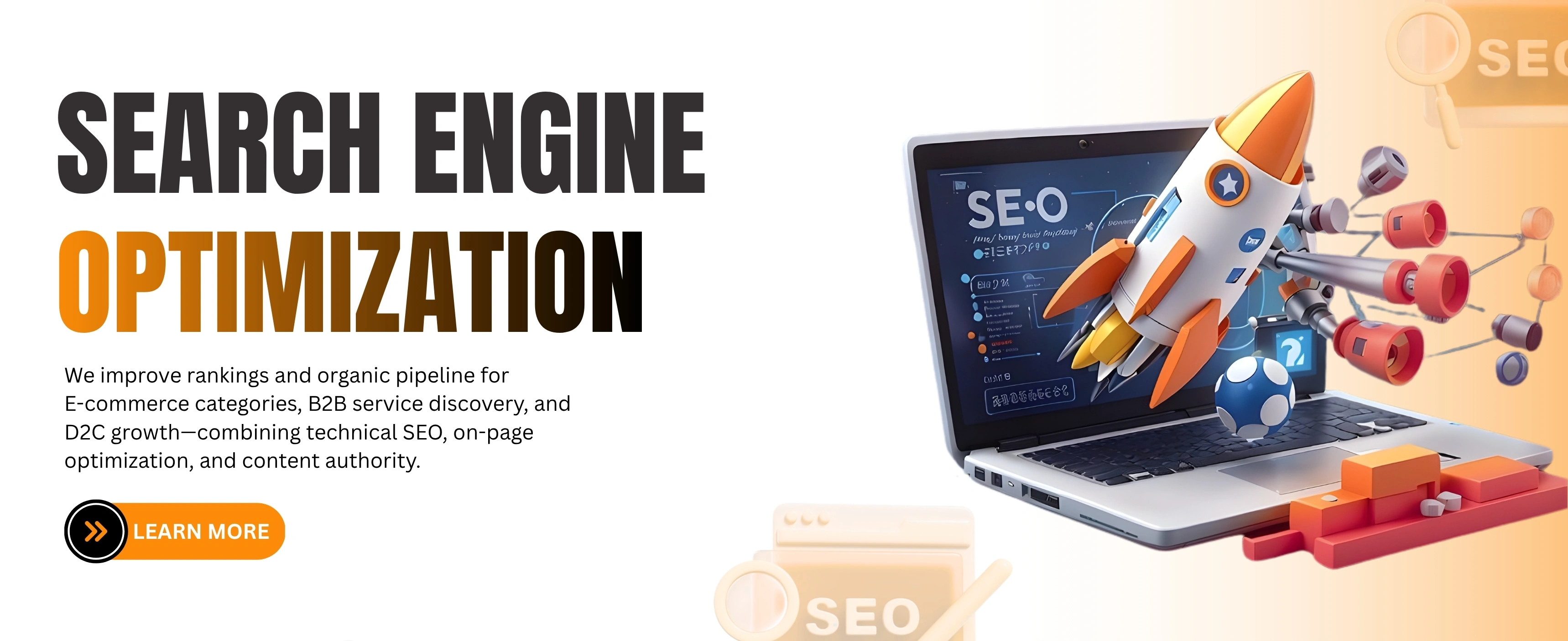
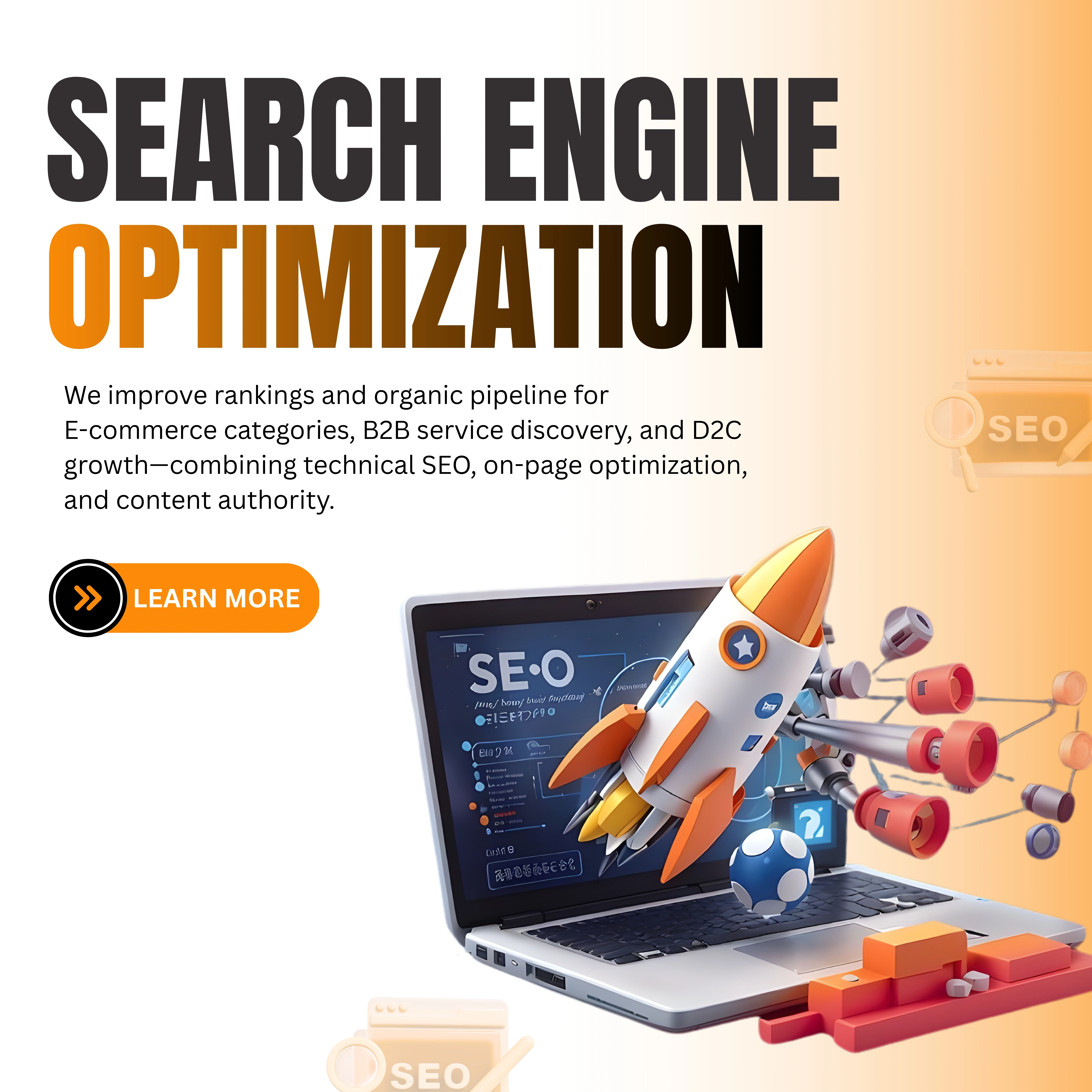
Enhance your online visibility & drive organic traffic with our advanced SEO techniques. We optimize your website to rank higher.
Our Trusted Clients


















At Brandbanalo, we don’t just offer digital services — we build powerful brand identities that drive real business growth. Our mission is simple - help businesses of every industry scale faster, generate consistent leads and establish a strong digital presence that converts.
With a deep understanding of modern marketing trends and consumer behavior, we craft tailored strategies that align with your business goals. Whether you're a startup, SME, or enterprise, we transform your ideas into a recognizable and profitable brand.
 know more
Advertised Spend
Projects Completed
Empowering your brand with cutting-edge digital solutions. From strategic SEO to high-impact ad campaigns, we deliver results that matter.
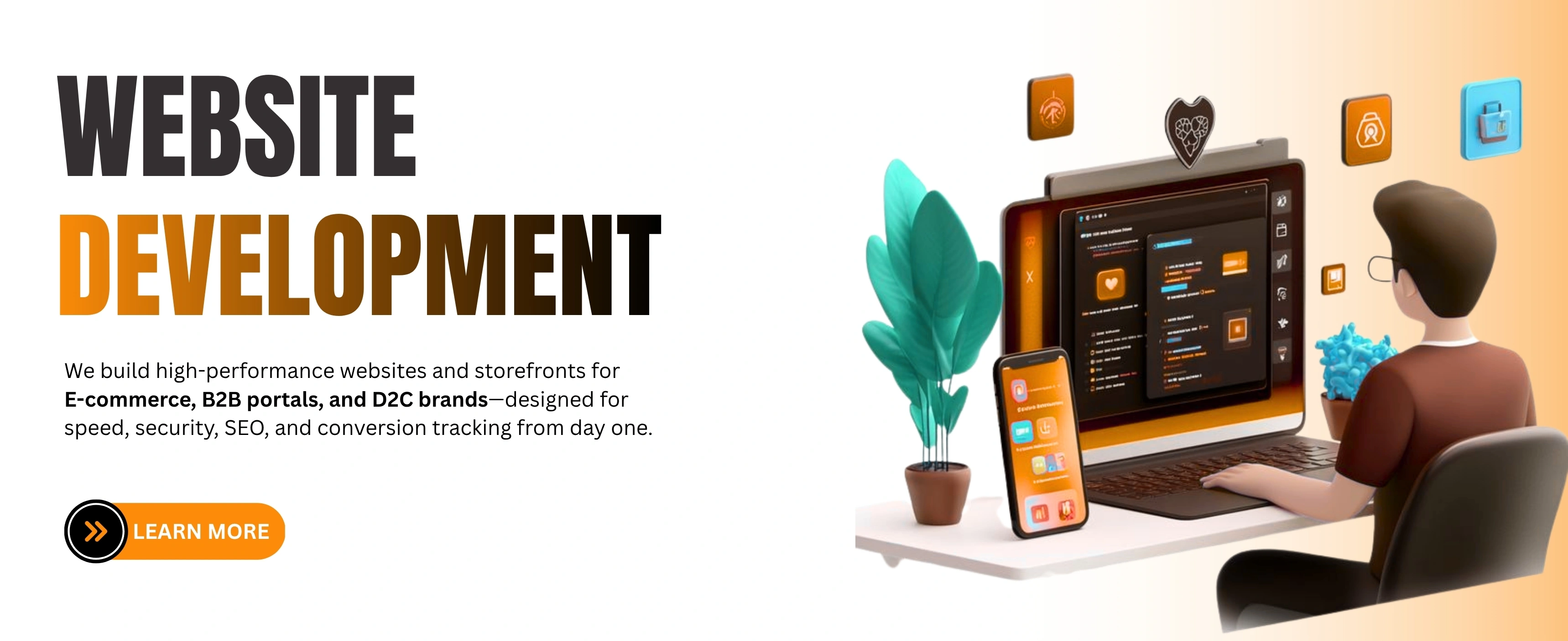
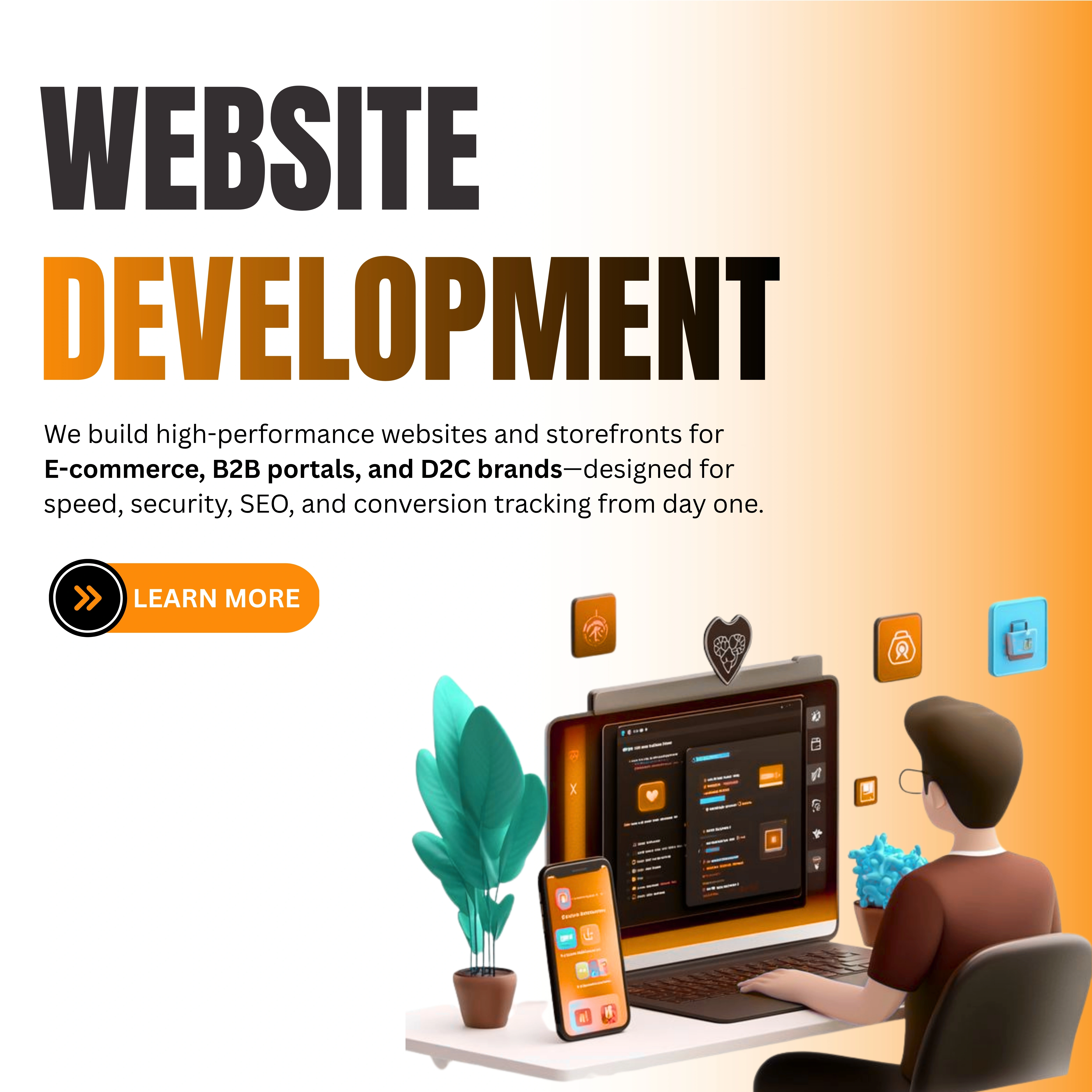


 THE BEST SOLUTIONdesign SOLUTIONBRANDING DESIGNTHE BEST SOLUTIONUI/UX SOLUTIONPRODUCT DESIGNPRODUCT DESIGNTHE BEST SOLUTIONdesign SOLUTIONBRANDING DESIGNTHE BEST SOLUTIONUI/UX SOLUTIONPRODUCT DESIGNPRODUCT DESIGN
Enhance your online visibility & drive organic traffic with our advanced SEO techniques. We optimize your website to rank higher.
Strategy-first branding for businesses that want to lead the market. We design with purpose, not just aesthetics.
We craft strategic brands that create strong market presence and lasting impact. Designed for growth. Built for credibility.










Working with BrandBanalo completely transformed our digital presence. As a pharmaceutical company, credibility and reach are critical, and their marketing strategies helped us generate quality B2B inquiries consistently. Within a few months, we saw a significant increase in dealer and distributor leads.

BrandBanalo helped us expand our reach in the automotive spare parts market. Their SEO and lead generation campaigns brought genuine wholesale buyers to our business. We now receive regular inquiries from new distributors across India.

Our company manufactures road safety equipment, and BrandBanalo helped us showcase our products professionally online. Their branding and marketing strategies helped us reach government contractors and infrastructure companies.

BrandBanalo understood our industry very well. They created a strong brand presence for our wood paints and coatings. Thanks to their marketing strategy, we started receiving inquiries from furniture manufacturers and dealers across multiple cities.

BrandBanalo’s digital marketing solutions helped us expand our reach in the electronics market. Their lead generation campaigns brought us bulk buyers and distributors, helping our business grow steadily.

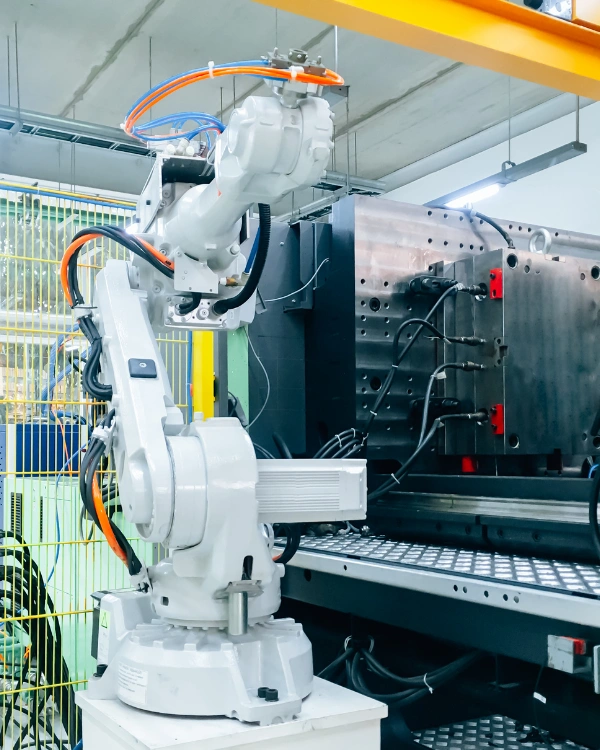
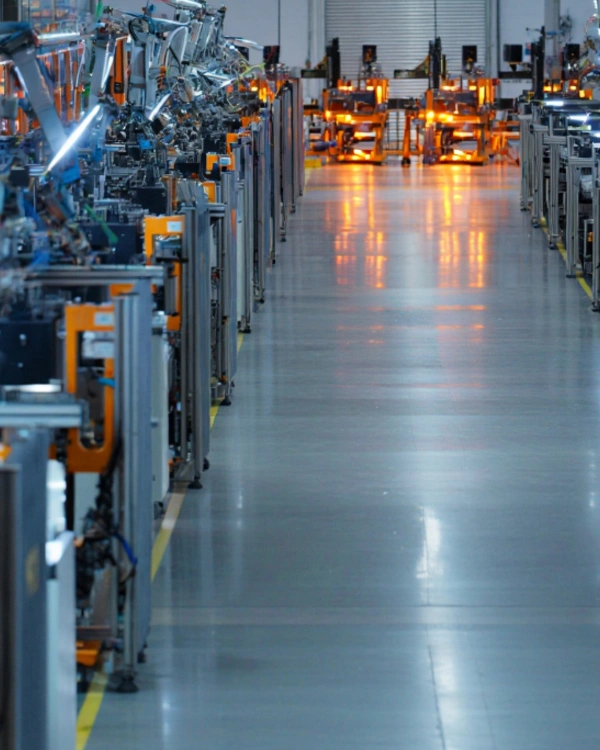
Industrial automation is a technical industry, but BrandBanalo managed to present our services in a very professional way online. Their marketing strategy helped us connect with factories and manufacturing companies looking for automation solutions.

We manufacture WPC products, and BrandBanalo helped us position our brand strongly in the market. Their digital campaigns generated quality inquiries from builders, architects, and distributors.

BrandBanalo helped us create a strong online presence for our healthcare setup. Their marketing strategies helped us build trust and attract more patients and healthcare partners.

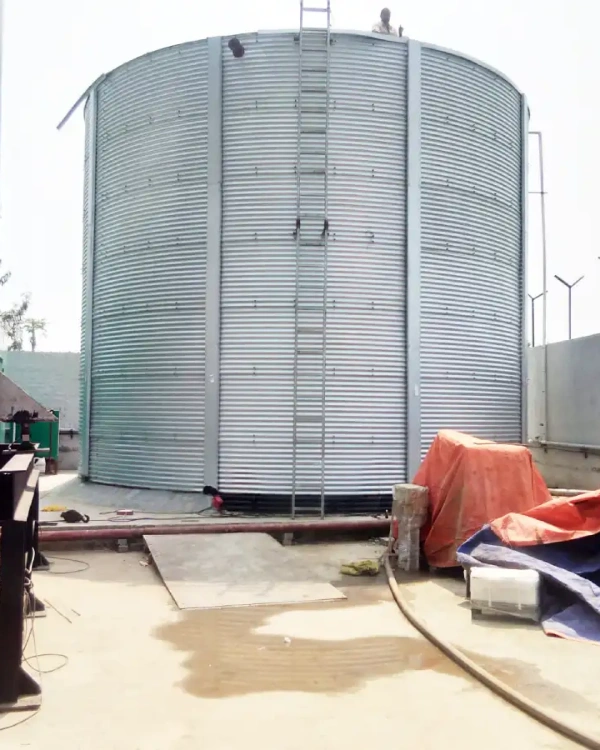
Our tank manufacturing company needed better visibility in the market. BrandBanalo’s marketing solutions helped us connect with contractors, builders, and industrial buyers. The increase in inquiries was impressive.

BrandBanalo helped us promote our brand advertisement services effectively. Their digital strategy increased our brand visibility and helped us secure multiple business partnerships.

As an eco-friendly product manufacturer, we needed marketing that highlights sustainability. BrandBanalo helped us reach exporters, retailers, and wholesalers interested in eco-friendly packaging.

BrandBanalo helped our paper bag manufacturing business gain strong digital visibility. Their strategies brought us inquiries from retailers, food chains, and packaging distributors.

Our machinery business needed serious B2B leads, and BrandBanalo delivered exactly that. Their marketing campaigns brought us inquiries from factories and industrial buyers across India.

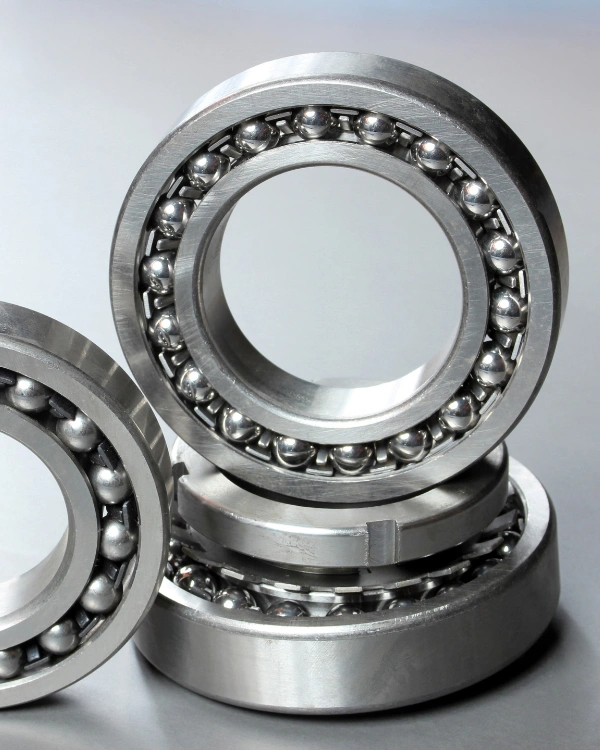
BrandBanalo helped us promote our ball bearing products to the right industrial buyers. Their marketing campaigns generated genuine distributor inquiries and helped increase our sales.

We manufacture premium pool tables, and BrandBanalo helped us showcase our craftsmanship online. Their marketing strategy brought inquiries from clubs, resorts, and gaming centers.

BrandBanalo helped us expand our B2B reach for electronic devices. Their digital marketing strategy helped us attract bulk buyers and corporate clients.

BrandBanalo helped us promote our fire safety doors to builders and construction companies. Their marketing campaigns generated quality leads and helped us grow in the safety equipment market.

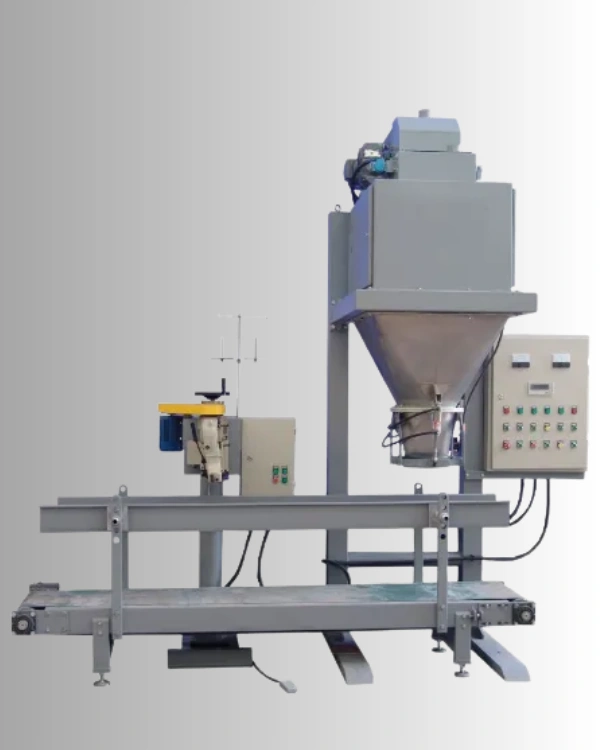
Our bag filling machine business needed better online visibility. BrandBanalo helped us attract manufacturing companies and packaging industries through effective digital marketing campaigns.